


Visiting the Yorktown Battlefield
- Mar 1
- 3 min read
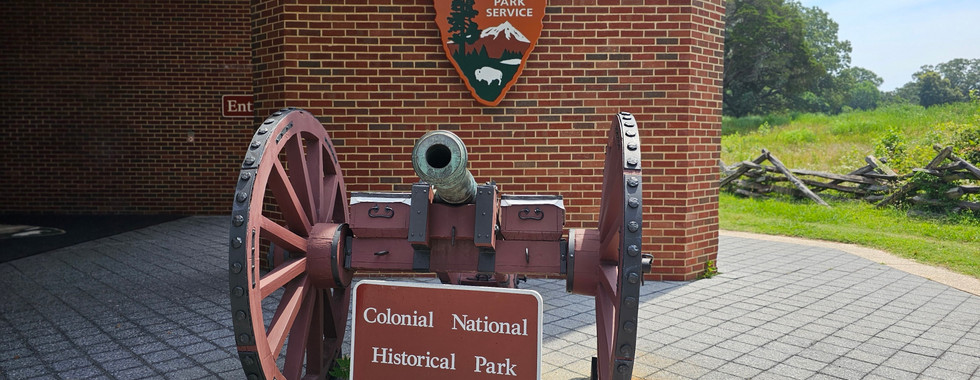
In June of 2025, we traveled to Yorktown, Virginia, and one of our main stops was Yorktown Battlefield. This was the very first place we visited after arriving in town, and it immediately set the tone for our time in the area. Standing on the same ground where the final major battle of the American Revolution unfolded made the visit feel especially meaningful.

Before heading out onto the battlefield itself, we spent time inside the museum, taking in the artifacts and displays that help tell the story of the Siege of Yorktown. The exhibits are thoughtfully arranged, allowing visitors to follow the timeline of events that led to this pivotal moment in American history. We found ourselves moving slowly from case to case, reading placards and imagining what life was like for soldiers on both sides.
One of the items that truly caught our attention was the original chamber tent used by George Washington. Seeing the tent in person added a very human element to the story of the war. It was fascinating to think of Washington planning strategy, meeting with officers, and resting inside this simple structure while overseeing a massive and complex military operation.
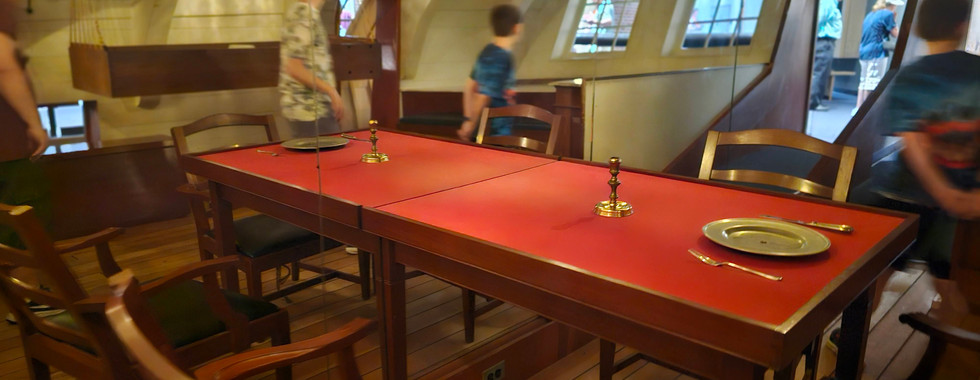
Nearby, another artifact stood in stark contrast—the campaign table of Lord Cornwallis. This table once belonged to the British commander whose forces were ultimately trapped at Yorktown. The presence of objects tied to both commanders in the same space felt symbolic, quietly representing the turning point that occurred on these fields.


As we continued through the museum, the broader history of the Battle of Yorktown came into clearer focus. In the fall of 1781, American forces under Washington, along with French troops led by General Rochambeau, converged on Yorktown to surround Cornwallis and his army. The coordinated effort between land and sea would prove decisive.


The French navy played a crucial role in the battle by blocking British reinforcements and supplies from reaching Cornwallis by sea. With escape routes cut off and constant bombardment from American and French artillery, the British position became increasingly desperate. The siege strategy used at Yorktown reflected European military tactics, with trenches and artillery lines slowly tightening around the town.
Walking through the exhibits helped us understand how methodical and intense the siege truly was. The battle was not a single dramatic clash but a sustained campaign of pressure, engineering, and endurance. Each artifact seemed to echo the tension and uncertainty felt by the soldiers who waited day after day under fire.
After exploring the museum, we watched a video detailing the events of the battle, which we also recorded portions of for our own video. The film did a great job of tying together the artifacts, maps, and battlefield views, helping everything we had seen inside feel more connected to the landscape outside.










The surrender at Yorktown in October of 1781 effectively ended major fighting in the American Revolution. While the war would not officially conclude until the Treaty of Paris in 1783, Yorktown marked the moment when British hopes of regaining control of the colonies largely faded. It was sobering to realize how much history pivoted on this single location.
Leaving the museum, we stepped back out into the open air with a deeper appreciation for the ground beneath our feet. The quiet fields and earthworks today stand in sharp contrast to the thunder of cannons and the chaos that once filled the area. It made us pause and reflect before moving on.

The Yorktown Battlefield has a way of grounding you in history, reminding you that the freedoms many take for granted were won through sacrifice and perseverance. Seeing personal items like tents and tables helped bridge the gap between textbooks and real human experience.
For us, starting our Yorktown visit at the battlefield felt like the right choice. It provided essential context for everything else we would see in the area and helped frame the importance of the town beyond its scenic beauty.

As we wrapped up our time at the museum, we felt grateful for the opportunity to learn directly from the artifacts and presentations on site. The experience added depth to our journey and gave us plenty to reflect on as we continued exploring Yorktown.
The Yorktown Battlefield is more than just a historical stop—it is a place where the story of American independence comes into sharp focus. Visiting it in person allowed us to better understand the significance of the battle and the people involved, making it one of the most impactful stops of our trip.


